
UTV Tour Photos Near Death Valley And Las Vegas
See what a guided UTV tour near Death Valley looks like. These photos showcase real experiences from our Mojave Desert tour, including scenic trails, historic mining sites, and off-road adventure just a short drive from Las Vegas.



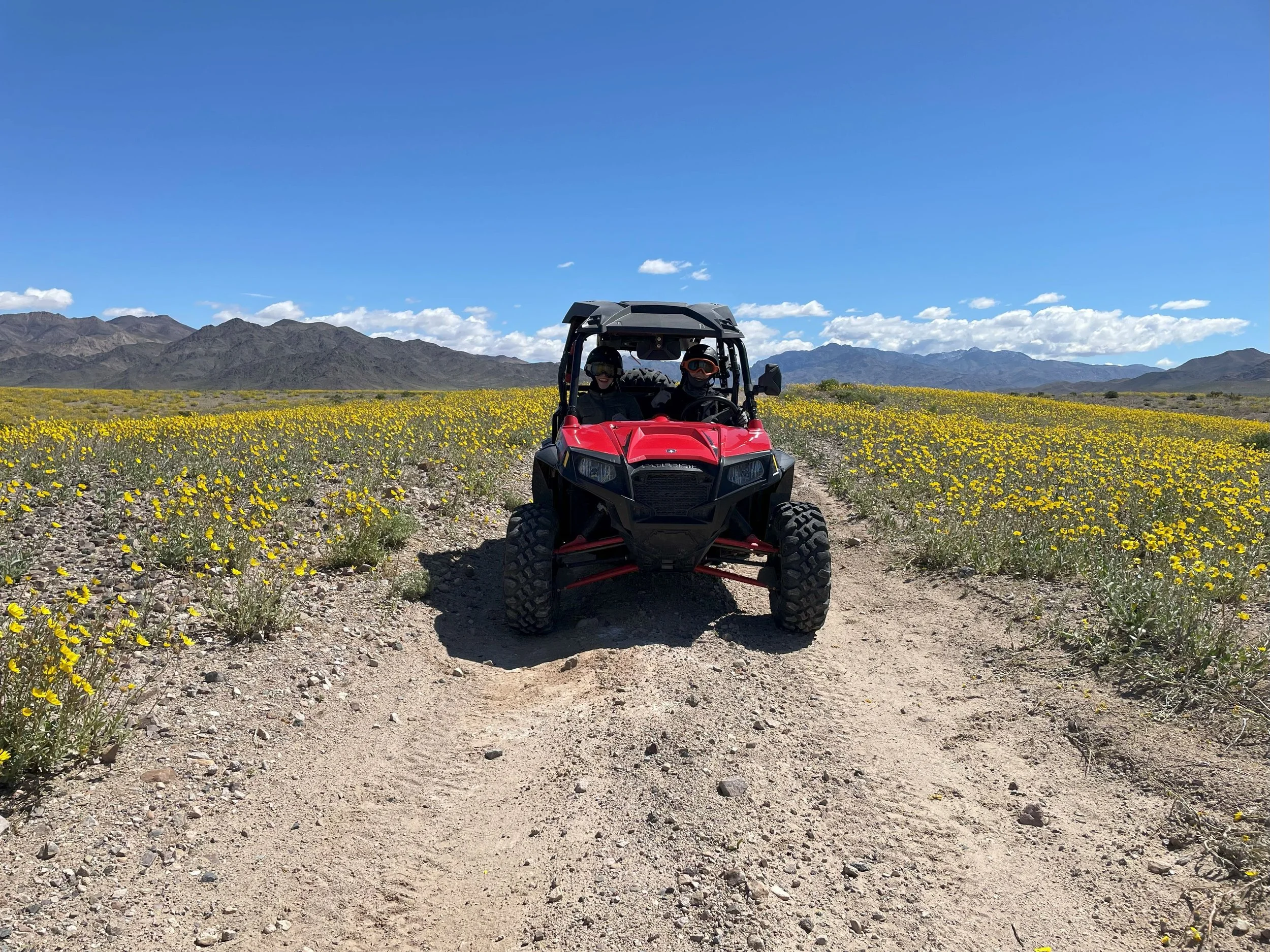
The Mojave Desert superbloom is a rare and stunning natural phenomenon. It occurs when an unusually high number of wildflowers bloom, typically after a wet rainy season. This event transforms the landscape into a vibrant tapestry of colors, attracting visitors from around the world. Not every year sees a superbloom, it depends on specific weather patterns leading up to the spring bloom.

Dirt devils, also known as dust devils, are common phenomena in the Mojave Desert. They are small, rotating columns of air that pick up dust and debris from the ground, creating a visible vortex. Dirt devils typically form on hot, sunny days when the ground heats up rapidly, causing warm air to rise and create a low-pressure area. This can lead to the development of a rotating column of air.

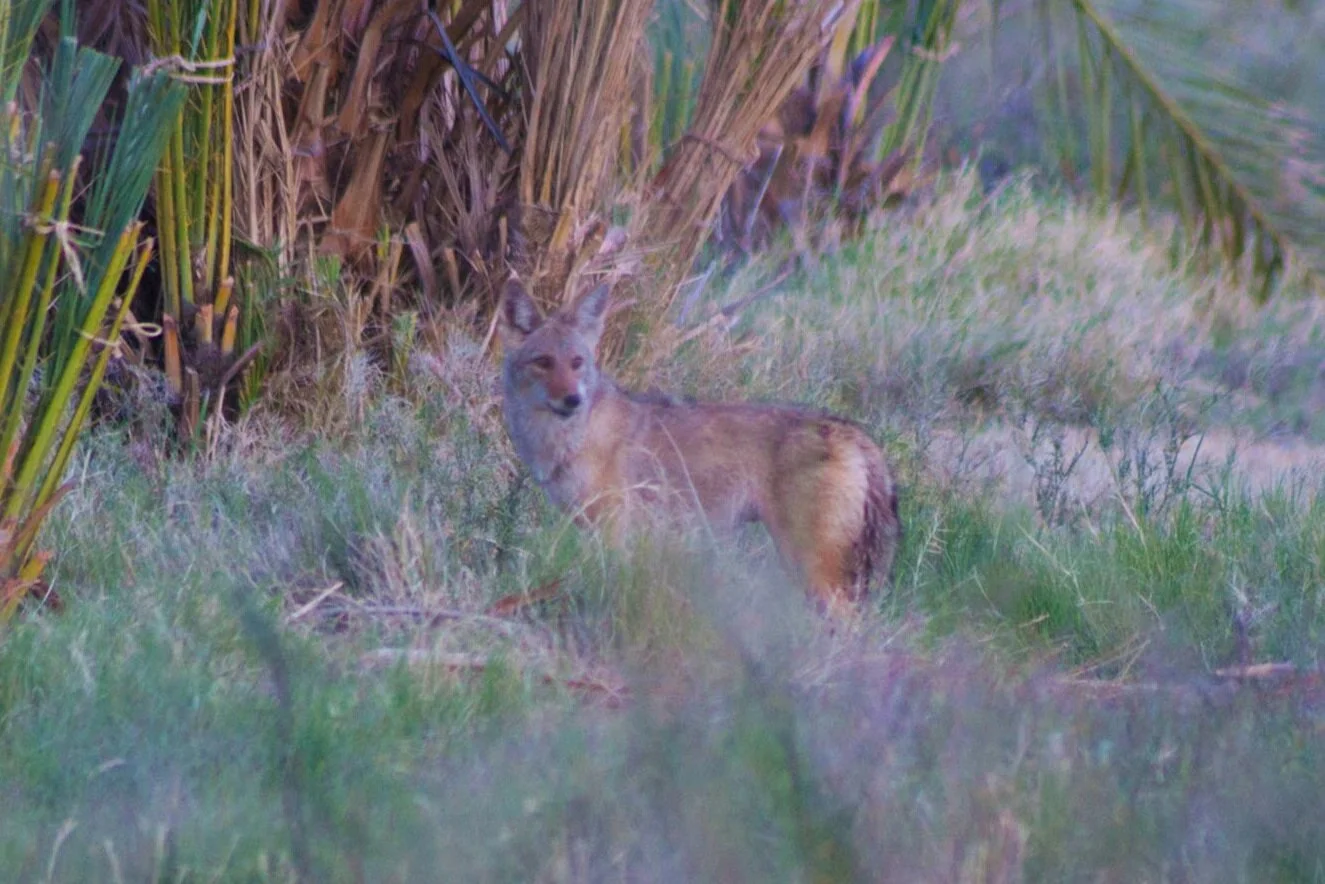
As apex predators, coyotes help control populations of smaller mammals and rodents, maintaining ecological balance. They are mainly carnivores and will eat a wide variety of food, including small mammals, birds, reptiles, insects, and even fruits and berries. They will also eat insects and other invertebrates when other food is scarce. You may see them scavenging for dates at China Ranch Date Farm.

Beavertail prickly pear is a colorful, low-growing cactus with blue-green pads and are shaped like the tail of a beaver. When plants bloom in the spring, their vivid magenta flowers really stand out, especially against a sea of yellow native desert flowers. Flowers are followed by edible purple fruits.


The Mojave Desert Sidewinder Rattlesnakes is one of the few snakes that moves around using a side-winding locomotion. This unique style of movement allows it to move quickly across the sand. It is also one method by which the sidewinder keeps cool in the desert heat, by reducing the amount of time any specific part of its body is in contact with the hot sand. They are most active at dawn and dusk. During warmer periods, they may also be nocturnal, meaning they are active at night. During the day, they escape the heat by hiding in rodent burrows or staying submerged in the sand.
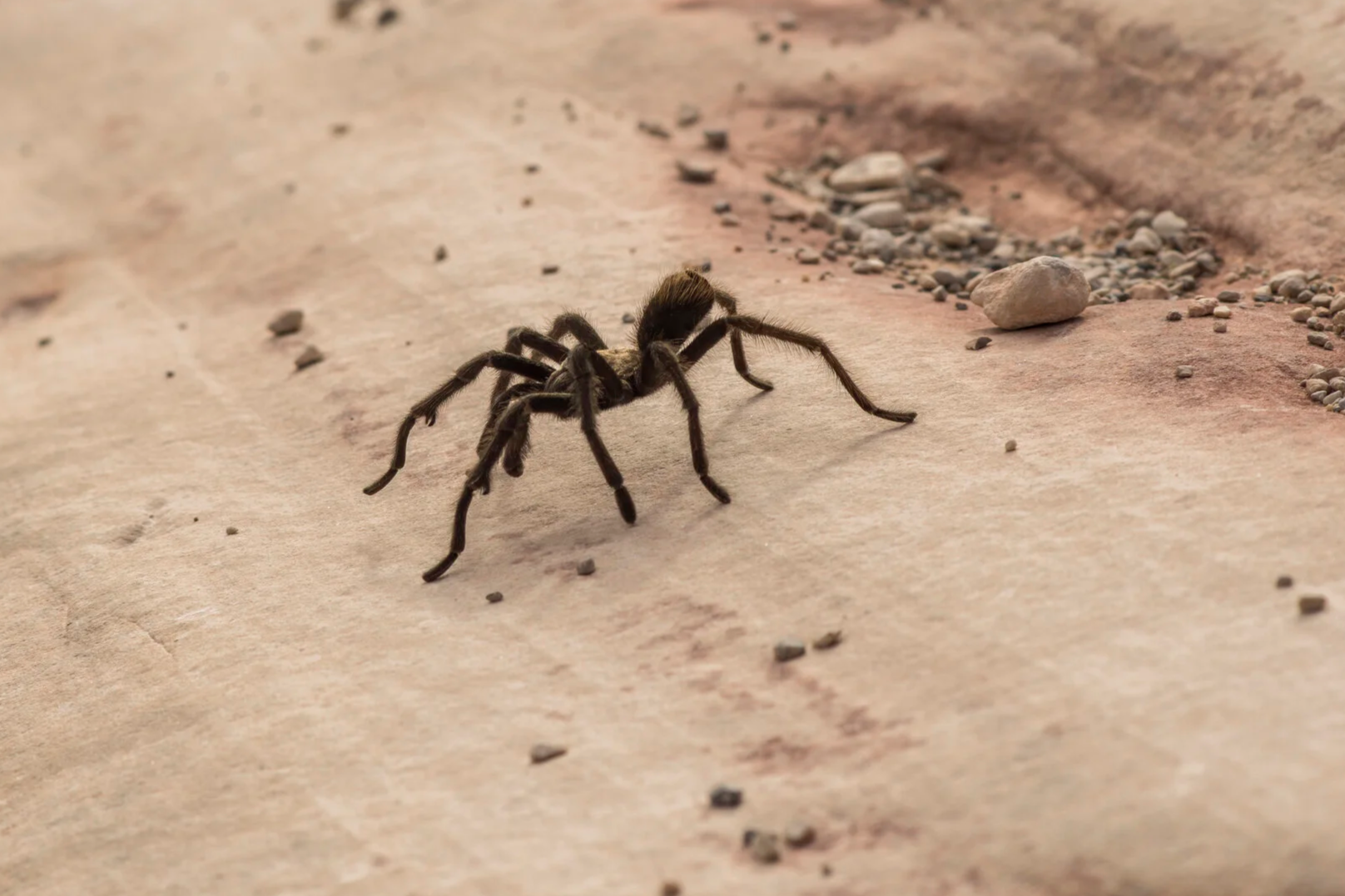
Desert tarantulas (Aphonopelma iodius) exhibit a unique behavior often referred to as a migration, although this term can be misleading. Each fall, these tarantulas can be seen wandering in broad daylight, primarily males searching for mates. This phenomenon occurs typically around seven years of age. During this time, males may travel significant distances, sometimes over three-quarters of a mile, particularly at dawn and dusk. Females can live over 20 years and are around 3 inches in body length.


Turkey vultures (Cathartes aura) are a common sight in the Mojave Desert. These birds are known for their distinctive appearance, featuring a bright red head and a wingspan averaging around 6 feet. They are often seen soaring in groups, utilizing thermal updrafts to glide effortlessly across the desert landscape.

The Mojave Desert Tortoise hibernates in burrows for up to nine months each year, and is most active from March to June and September to October. Desert tortoises can live roughly 50 to 80 years surviving on various herbs, grasses, cacti and wildflowers.